
.png) Book online
Book online
 Book via LINE
Book online
Book via LINE
Skin


Dermapen (microneedling) is a medical device that harnesses the skin’s natural healing response, but the reasons people say “you should avoid it” include side-effect risks such as pain, downtime, and post-inflammatory hyperpigmentation, the need for multiple sessions, the cost burden, and unsuitability based on skin type or constitution. In this article, a Men’s Care Clinic physician explains the five reasons people say to avoid Dermapen (Dermapen 4), six real-world failure cases, who is and is not a good candidate, and concrete steps to prevent regret—all with a focus on its application to male skin. We also cover the dangers of self-administered Dermapen and the decisive differences between it and medical Dermapen performed under physician supervision.

Table of Contents
“Avoid Dermapen,” “I regret it,” “It backfired”—every man considering Dermapen treatment encounters these comments. Social media, Q&A boards, and blogs are full of negative experiences such as hyperpigmentation, acne flare-ups, and scarring, and it is only natural to feel uneasy.
The bottom line: when performed under proper indications and physician supervision, Dermapen is a medical device with scientifically supported benefits for men’s concerns including atrophic acne scars, enlarged pores, fine lines, and melasma. On the other hand, side effects and failures cluster among people whose skin type, constitution, or goals are mismatched, and among those who use self-Dermapen devices or visit unlicensed facilities.
In this article, a physician at Men’s Care Clinic, which specializes in Dermapen treatment, explains the five fundamental reasons people say to avoid it, six real-world failure cases, the characteristics of those who should not undergo the procedure, and concrete strategies to avoid regret. We also touch on its application to male-specific concerns—razor burn, excess sebum, and enlarged pores—from the perspective of a men’s clinic.


Dermapen is a medical device equipped with ultra-fine microneedles that creates microscopic, invisible channels in the skin’s surface at high speed, inducing the skin’s innate wound-healing response. It is approved by the U.S. FDA and Japan’s Pharmaceuticals and Medical Devices Act and may only be used under physician supervision.
When the needles reach the dermis, they trigger fibroblast activation, collagen production, and elastin remodeling. The result is improvement in atrophic acne scars (ice-pick and rolling scars), enlarged pores, fine lines, melasma, stretch marks, and the redness of razor burn. The latest model, Dermapen 4, allows fine adjustment of needle depth from 0.2 to 3.0 mm, enabling treatment at the optimal depth for each area and condition.
Male skin tends to produce more sebum and is prone to chronic inflammation from shaving, leaving behind ice-pick acne scars more easily. Dermapen is effective for these male skin concerns, but it is essential to understand why people say to “avoid it” and to evaluate suitability carefully.
To feel the benefits, 3 to 6 sessions are typically required; expecting dramatic results from a single visit is the most common cause of disappointment. Sessions are usually spaced one to two months apart depending on the condition.

The “avoid it” reputation comes down to five drivers: pain during the procedure, downtime, side-effect risks, the burden of multiple sessions, and incompatibility with certain skin or body types. All of these can be greatly reduced with proper preparation and correct technique, so the goal is to prevent the regret that comes from not knowing in advance.
Below, a Men’s Care Clinic physician explains each reason and how to address it.
Because Dermapen drives ultra-fine needles into the skin at high speed, it inevitably involves some pain. At depths of 0.5 mm or less, the sensation is mild stimulation; but at the 1.5–2.5 mm depths used for acne scars, patients describe it as “a hard rubber-band snap” or “stinging needle pricks.”
Areas close to bone (forehead, temples, chin) and regions with thin skin tend to feel more painful. Applying a topical anesthetic cream (lidocaine) 30–60 minutes before the session removes most of the discomfort. Clinics that skip the anesthetic cream or apply it for too short a time often leave patients in greater pain, fueling “avoid it” reviews.
Immediately after Dermapen, the skin is in a state similar to a mild burn, with redness, swelling, stinging, and pinpoint bleeding. Downtime varies with needle depth, but the typical timeline is:
Makeup is restricted during this period (generally allowed from the next day), and a mask and sunscreen are essential when going outside. Treatment should be avoided right before important business meetings, weddings, or sports events—regret is most common when patients fail to factor downtime into their schedule.
There is a risk of post-inflammatory hyperpigmentation (PIH) after Dermapen. Reported incidence ranges from 1 to 10% in the literature, and the risk rises in darker skin (Fitzpatrick Type IV and above) and in skin that has been recently sun-exposed.
Many men do not routinely wear sunscreen; outdoor workers and athletes carry an even higher risk of pigmentation. Strict UV protection (SPF 30 or higher sunscreen) for four weeks after treatment prevents most cases. Adjunctive oral or topical tranexamic acid and vitamin C derivatives also speed recovery if PIH does occur.
Dermapen is not a one-and-done treatment; usually 3 to 6 sessions are needed—and 8 to 10 for deep acne scars. Each session costs JPY 15,000–40,000 depending on the area, so the total can reach JPY 100,000–300,000 or more.
Patients who arrive expecting “one session and I’ll be clear” and quit before seeing results often conclude “it didn’t work” or “you should avoid it.” Men’s Care Clinic uses pay-per-session billing, so you are not locked into expensive package contracts and can proceed at your own pace.
Dermapen should be avoided or carefully considered in the following cases:
Failing to disclose these honestly during consultation leads directly to complications. Many “avoid it” warnings from people whose constitution is incompatible reflect inadequate pre-treatment screening.
Online “avoid Dermapen” posts often contain medically inaccurate misconceptions or unusual individual cases. Here are the most frequent misunderstandings.
Treat social media and Q&A posts as background only; always make the decision through a physician’s consultation, evaluating your own skin and condition. This is the single best way to prevent regret.
Dermapen (microneedling therapy) has had its efficacy demonstrated in multiple peer-reviewed medical journals. A 2017 systematic review in Dermatologic Surgery reported efficacy comparable to or better than fractional lasers for acne-scar improvement.
A 2020 paper in the Journal of Cosmetic Dermatology confirmed that type I and type III collagen production peaks four weeks after microneedling, providing the rationale for spacing sessions one to two months apart.
However, this evidence assumes the use of approved medical devices and proper treatment protocols at medical facilities. It is unrelated to the risks associated with self-Dermapen or unlicensed devices.

The Dermapen failure stories shared on blogs, Q&A boards, and social media share common patterns. Here are the six most frequent regret cases reported in our consultations, along with their causes and solutions.
In every case, insufficient pre-treatment explanation, operator skill gaps, and neglected aftercare are the underlying problems—and choosing a trustworthy clinic prevents the great majority of them.
Brown, pigmented spots appearing 2 to 4 weeks after the session. The main causes are treatment immediately after sun exposure, neglected UV protection, and inadequate skin-type screening.
Solution: Contact the clinic promptly. Treatment with tranexamic acid, hydroquinone, and topical vitamin C usually fades the pigmentation within 3 to 6 months. Leaving it untreated prolongs recovery, so early intervention is critical.
This refers to rupture of existing acne or a sudden surge of new breakouts after Dermapen. It happens when treatment is performed on active acne or when the device and hygiene management during the session are inadequate.
Solution: Calm active acne first with anti-inflammatory therapy (tretinoin, adapalene, oral medication) before starting Dermapen. Confirm that the clinic uses single-use needles and maintains strict hygiene protocols.
“I paid 30,000 yen and saw nothing change.” Causes include judging after only 1 or 2 sessions, an unsuitable indication, or needle depth that was too shallow.
Solution: Deep ice-pick acne scars require a minimum of 5 to 8 sessions. Shallower box-car scars or pore concerns can show results in about 3 sessions. Choose a trustworthy physician who selects the appropriate needle depth (typically 1.5–2.5 mm) for your condition.
Red, swollen bumps or pustules appearing within days of the procedure. Causes include reused needles, an unhygienic treatment environment, or inadequate post-treatment skincare.
Solution: Insist on single-use needles and choose a clinic that maintains rigorous medical-grade hygiene. Avoid makeup and face washing for 24 hours after treatment, and continue gently cleansing with lukewarm water thereafter.
Personal-use devices sold online continue to cause keloids, deep scars, infections, and hyperpigmentation. Insufficient sterilization, misjudged needle depth, and excessive pressure are typical causes.
Solution: Never use self-Dermapen devices. The Dermapen 4 used in medical facilities is an approved medical device and is safe only under physician or nurse supervision.
In patients with a keloid-prone constitution, raised scars can form along the needle tracks. Although uncommon, once formed these complications are difficult to reverse.
Solution: Patients with a history of keloids or hypertrophic scarring should consider alternatives to Dermapen (chemical peels, oral tranexamic acid, low-energy fractional CO2 laser, etc.). Always disclose your constitution at consultation.

Some people are not good candidates for Dermapen, and others may benefit more from a different treatment. If you fit the profiles below, you should “avoid it” or “consider an alternative”. Men’s Care Clinic physicians evaluate this at consultation and decline treatment when it is not appropriate.
| Group | Reason | Alternative options |
|---|---|---|
| Keloid or hypertrophic-scar prone | Risk that needle tracks become scars | Chemical peel, oral tranexamic acid |
| Pregnancy or breastfeeding | Concerns about anesthetic and wound healing | Postpone until after delivery |
| Active herpes or acne | Risk of spreading infection | Reconsider after anti-inflammatory therapy |
| On anticoagulant therapy | Bleeding may not stop easily | Consult primary physician first |
| Severe metal allergy | Reaction to needle material | Consider after patch testing |
| Recent severe sun exposure | Increased pigmentation risk | Wait 4–8 weeks after sun exposure |
| Active skin disease (severe atopy) | Compromised skin barrier | Prioritize dermatology treatment |
If any of these apply to you, consider alternative treatments or discuss the possibilities step by step in a free consultation.
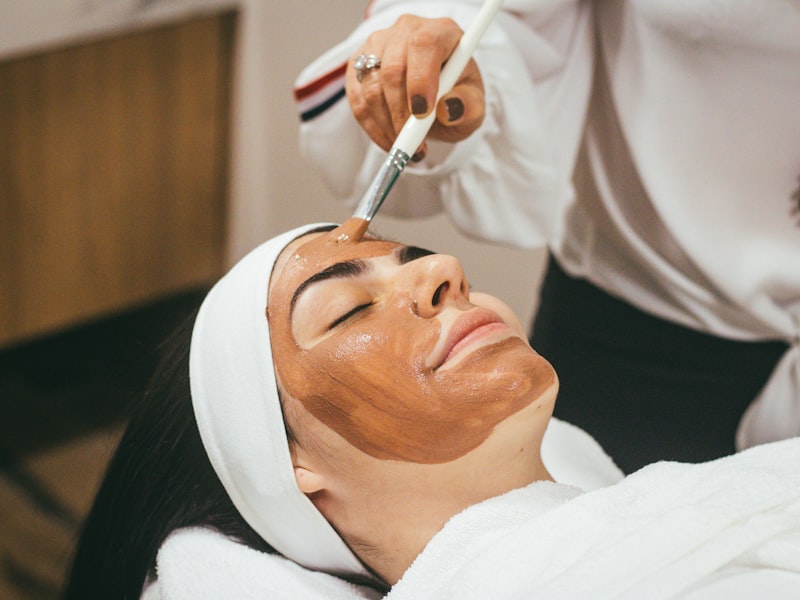
“Avoid it” headlines dominate the conversation, but Dermapen has scientifically demonstrated, high efficacy for its proper indications. For the following male skin concerns in particular, it can be the first-line option.
| Condition | Expected benefit | Typical sessions |
|---|---|---|
| Atrophic acne scars | Collagen regeneration smooths irregularities | 5–8 |
| Enlarged pores and blackheads | Dermal tightening makes pores less visible | 3–5 |
| Fine lines and crepey wrinkles | Collagen production improves shallow wrinkles | 3–5 |
| Melasma and hyperpigmentation | Combined with tranexamic acid for inside-out improvement | 4–6 |
| Razor burn and redness | Improved barrier function eases chronic inflammation | 3–4 |
| Stretch marks | Dermal remodeling reduces visibility | 5–10 |
| Overall skin quality (firmness, glow) | Collagen activation | 3–4 |
Dermapen is especially compelling for concerns common among men:
Men’s Care Clinic offers Dermapen treatment plans tailored to these male-specific needs.

Understanding the post-procedure timeline correctly prevents the situation that says this isn what I expected. Below is a systematic summary of the course from the day of treatment through 4 weeks, plus the do-not behaviors.
| Timing | Skin condition | Care points |
|---|---|---|
| Immediately after | Redness, swelling, stinging, pinpoint bleeding | Cooling, moisturizing; never rub |
| Evening to next day | Pronounced redness, tightness | No washing or makeup; sunscreen essential |
| Days 2–3 | Reduced redness, mild dryness and peeling | Low-irritant toner, ceramide-based moisturizer |
| Days 4–7 | Scabs slough off; new skin emerges | Makeup OK; continue UV protection |
| 1–2 weeks | Skin-quality improvement (immediate effect) | Resume regular skincare |
| 4 weeks | Peak collagen remodeling | Time to consider next session |
Men’s Care Clinic provides illustrated handouts of post-care guidance so anyone can perform aftercare correctly.

To avoid regret with Dermapen, it is essential to cover six bases from clinic selection through aftercare. Men’s Care Clinic standardizes all of them.
Be cautious of clinics that hand consultations off entirely to nurses. Dermapen is a medical procedure, and a physician must directly verify your skin type, constitution, and medical history to determine indication. Avoid clinics that strongly push same-day treatment at the consultation visit.
Dermapen needles must be single-use genuine tips, replaced for every patient. Ideally, you can visually confirm that the new needle is opened from a sterilized package immediately before treatment.
Applying lidocaine-based anesthetic cream 30–60 minutes before treatment for an adequate duration removes most of the pain. Clinics that anesthetize for too short a time or apply too little cream leave patients with greater discomfort.
Required needle depth varies with the condition. Pores and fine lines: 0.5–1.0 mm; acne scars: 1.5–2.5 mm. The physician should examine your symptoms and individually design depth and number of sessions. Beware of clinics that apply uniform depth via fixed-price packages.
Always confirm in advance whether follow-up consultation and prescriptions are free if redness lingers, hyperpigmentation appears, or infection is suspected. Do not choose clinics that treat and forget. Men’s Care Clinic provides post-treatment consultation and prescriptions at no extra charge.
Sign up for 10 sessions at JPY 300,000 with a loan—this kind of high-cost package pressure is a dangerous structure that forces you to pay large sums before you have seen any results. Men’s Care Clinic uses pay-per-session pricing, letting you continue at your own pace while watching the results and your skin’s response.

Men’s Care Clinic is a men’s-specialty medical clinic tailored to male skin, hair, and lifestyle. Our Dermapen program is built so that male patients can continue treatment without regret thanks to the following features:
For details, see the Men’s Care Clinic Dermapen treatment page.
Below is a comparison of representative cosmetic-medicine treatments that target the same concerns—acne scars, pores, and fine lines—against Dermapen. Discuss the right option with your physician based on your symptoms, downtime tolerance, and budget.
| Treatment | Best for | Downtime | Cost per session (JPY) | Sessions needed |
|---|---|---|---|---|
| Dermapen 4 | Acne scars, pores, fine lines, melasma | 3–7 days | 15,000–40,000 | 3–6 |
| Potenza | Deep acne scars, sebaceous-gland suppression | 3–5 days | 40,000–80,000 | 3–5 |
| Fractional CO2 laser | Deep ice-pick scars, fine lines | 7–14 days | 30,000–60,000 | 3–5 |
| Pico laser | Sun spots, melasma, tattoo removal | Almost none | 10,000–30,000 | 3–5 |
| Chemical peel | Stratum corneum, shallow scars, dullness | 1–3 days | 5,000–15,000 | 5–10 |
| HydraFacial | Pore congestion, exfoliation | Almost none | 10,000–25,000 | Monthly maintenance |
| HIFU (high-intensity focused ultrasound) | Sagging, lifting | Almost none | 30,000–100,000 | 1–2 per year |
Dermapen offers a strong balance of cost-performance and indication breadth, positioning it as the entry point to men’s cosmetic medicine. For deeper scars, Potenza; for sagging, HIFU—Men’s Care Clinic recommends the right tool for the goal.
Because Dermapen creates microchannels, applying active ingredients afterward delivers them deeper than topical application alone—a drug-delivery effect. Common add-ons include:
Add-ons cost an extra JPY 5,000–20,000 per session but can deliver higher satisfaction depending on the condition. However, avoid clinics that aggressively push add-ons or imply that the procedure will not work without them.
It is not something everyone should avoid. For its proper indications (acne scars, enlarged pores, fine lines, melasma), it is a treatment supported by scientific evidence. Those with keloid-prone skin, who are pregnant, or who have active acne should avoid it. The physician makes this determination at consultation.
Dermapen 4 is the latest approved medical device, with improvements over earlier models in needle count (16), speed (1,920 punctures per second), and depth range (0.2–3.0 mm). It enables more uniform, safer puncturing and shorter downtime. Men’s Care Clinic uses Dermapen 4.
Redness, swelling, and mild pinpoint bleeding last about 3 to 7 days. At shallow depths (0.5 mm or less), they settle within a day; for acne-scar depths (1.5–2.5 mm), a full week is realistic. Avoid scheduling treatment within a week of important plans.
The literature reports approximately 1 to 10%, increasing with recent sun exposure, darker skin types, and inadequate UV protection. Strict use of SPF 30+ sunscreen for four weeks together with topical tranexamic acid and vitamin C prevents most cases or speeds early recovery. The clinic will prescribe treatment if pigmentation occurs.
It is extremely dangerous. Do not use it. Self-use devices sold online lack adequate sterilization and needle management, and serious complications including deep scars, infections, keloids, and hyperpigmentation have been reported. The Dermapen 4 used in medical facilities is an approved medical device that may only be used by physicians and nurses.
They work differently. Dermapen creates needle channels to drive collagen regeneration; Potenza delivers radiofrequency (RF) through the needle tips, heating deep into the dermis. Potenza is preferred for acne scars (especially deep ice-pick scars) and sebaceous-gland suppression; Dermapen suits melasma, pigmentation, and firmness. The physician recommends the right choice based on your condition.
Generally not recommended. Concerns about anesthetic cream (lidocaine) ingredients and effects on wound healing lead us to defer treatment until after delivery and the breastfeeding period.
If treatment is performed during active acne, there is a risk of temporary worsening. The safer approach is to calm the inflammation first with tretinoin, adapalene, or antibiotics. The physician makes this judgment at consultation.
Avoid the treated area for at least 2 to 3 days; when resuming, use only an electric razor. Single-blade razors irritate the skin and raise the risk of inflammation and infection. Men’s Care Clinic offers treatment plans tailored to those with razor burn.
It depends on the condition. Enlarged pores: about 3 sessions; fine lines and melasma: 4–6; acne scars (atrophic): 5–8. Do not judge after just 1 or 2 sessions; clear improvement in skin quality typically becomes evident from the third session onward.
The basic mechanism is the same, but male skin produces more sebum and carries chronic inflammation from shaving, so downtime tends to last longer than in women. Optimizing needle depth and aftercare for male skin yields better outcomes—the kind of expertise Men’s Care Clinic has accumulated.
Roughly JPY 15,000–40,000 per session depending on area and add-ons. Men’s Care Clinic uses pay-per-session pricing with no required package contracts. For details, see the Dermapen treatment page.
The avoid Dermapen reputation rests on five fundamental drivers: pain, downtime, hyperpigmentation risk, the cumulative cost of multiple sessions, and skin-type incompatibility. Most of these can be largely avoided by choosing a clinic that provides physician-led consultation, accurate assessment of indication, single-use needles with strict hygiene, proper use of anesthetic cream, post-treatment UV protection, and a follow-up care system. Never use self-Dermapen; always receive treatment under physician supervision at a medical facility that uses an approved medical device.
Related articles: How medical laser hair removal works and its effects / How to choose men’s cosmetic-medicine treatments
Start with a free consultation, where we propose the optimal treatment plan for your skin type and condition.
This article was prepared under the supervision of a Men’s Care Clinic physician. The information is based on medical evidence; for individual symptoms or treatments, please consult a physician.
Medically reviewed by
Masashi MoritaPhysician
This article has been reviewed by a doctor for medical accuracy. Individual symptoms are assessed by a doctor at consultation.
Skin
Related Articles
2026/05/23 Skin Men’s Skincare Guide: Causes & Fixes for Skin Trouble | MD Reviewed
2026/05/06 Skin Dermapen for Men: Acne Scars, Pores, Cost & Sessions Explained by Doctors [2026]
2026/04/26 Skin Is HydraFacial Actually Worth It? Why Some Reviews Are Negative — Effects, Frequency & Who Should Avoid It (Doctor’s Guide)
2026/04/26 Skin Does Dermapen Really Work for Acne Scars? Treatment Sessions, Effectiveness & Comparison Explained by a Doctor
2026.05.23
Skin
Men’s Skincare Guide: Causes & Fixes for Skin Trouble | MD Reviewed
2026.05.06
Skin
Dermapen for Men: Acne Scars, Pores, Cost & Sessions Explained by Doctors [2026]
2026.04.26
Skin
Is HydraFacial Actually Worth It? Why Some Reviews Are Negative — Effects, Frequency & Who Should Avoid It (Doctor’s Guide)
2026.04.26
Skin
Does Dermapen Really Work for Acne Scars? Treatment Sessions, Effectiveness & Comparison Explained by a Doctor



 Hair Loss (AGA)